Most people hand over their keys, get paid, and never think about what happens next. But we think transparency matters — so here's an honest, behind-the-scenes look at exactly what happens to your car once it leaves your driveway and arrives at our licensed facility in Southend-on-Sea.
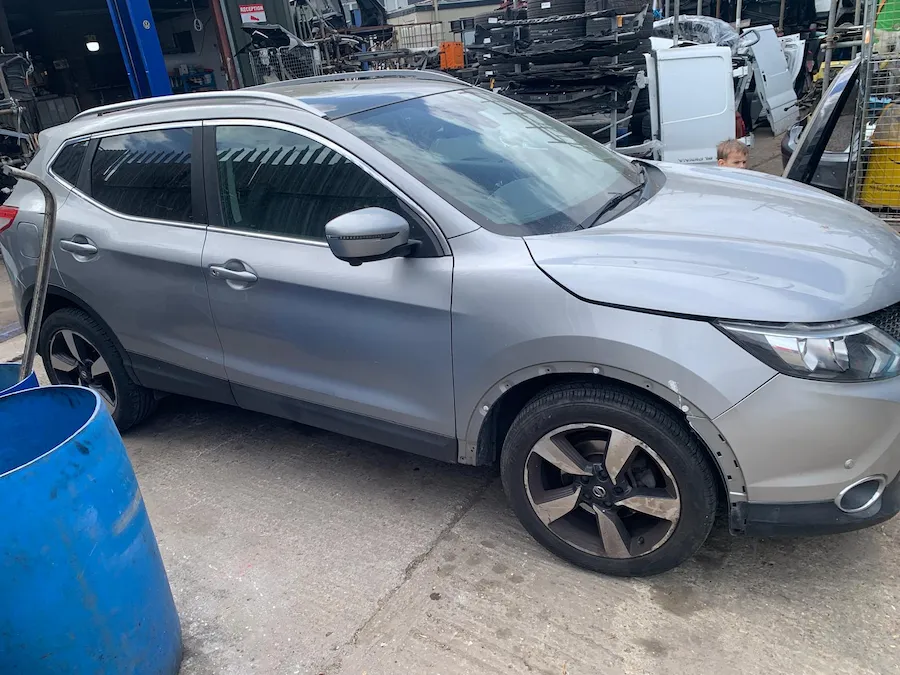
Want to see the real process? Read our behind the scenes guide on how we dismantle a scrap car using a real 2017 Nissan Qashqai from our yard.
As an Authorised Treatment Facility (ATF) registered with the Environment Agency (Permit JP3029SM), we follow strict regulations at every stage of the process. Nothing is dumped, nothing is left to chance.
Wondering how to get started? Read our step-by-step guide on how to scrap your car in Southend-on-Sea.
Step 1 — Collection
Once you've accepted your quote, we arrange free collection at a time that suits you across Southend-on-Sea and nearby areas. Our driver arrives, completes the required paperwork with you, and loads the vehicle.
At this point we take the yellow section of your V5C (Section 9 on older logbooks, Section 4 on newer versions) and send it to the DVLA — removing you as the registered keeper from that moment. You are no longer liable for the vehicle.
Step 2 — Depollution
This is the first and most important stage once the vehicle arrives at our facility — and it's also what separates a licensed ATF from an unlicensed back-street operation.
Depollution means safely removing all hazardous fluids and materials before the car is dismantled. This includes:
- Engine oil — drained and collected for specialist recycling
- Coolant/antifreeze — collected separately, as it's toxic to wildlife
- Brake fluid — removed and disposed of safely
- Fuel — any remaining fuel is carefully extracted
- Air conditioning refrigerant — recovered using specialist equipment
- Battery — removed and sent to battery recycling
- Airbag canisters — safely deactivated and removed
- Catalytic converter — removed and processed for precious metal recovery
Unlicensed scrapers skip this stage entirely — fluids go straight into the ground. As an ATF we're legally required to depollute every vehicle, which is why using a licensed facility matters for the environment.
Step 3 — Parts Salvage
This is where the real value in a scrapped vehicle is unlocked. Once depolluted, our team carefully assesses the car for any parts that are still in good working condition.
Common parts we salvage include:
- Engine components and gearboxes
- Doors, bonnets, bumpers and body panels
- Interior fittings — seats, dashboards, door cards
- Lights, mirrors and glass
- Wheels and tyres
- Electrical components and modules
Each salvaged part is cleaned, inspected and tested where possible before being photographed and listed on our eBay parts store. This week for example we've been working through a Renault Trafic and a Range Rover L320 — both yield a wide range of useful parts that would otherwise go to waste.
If you're looking for a specific part, it's always worth checking our eBay store — we add new listings regularly as we process vehicles.
Step 4 — Crushing and Shredding
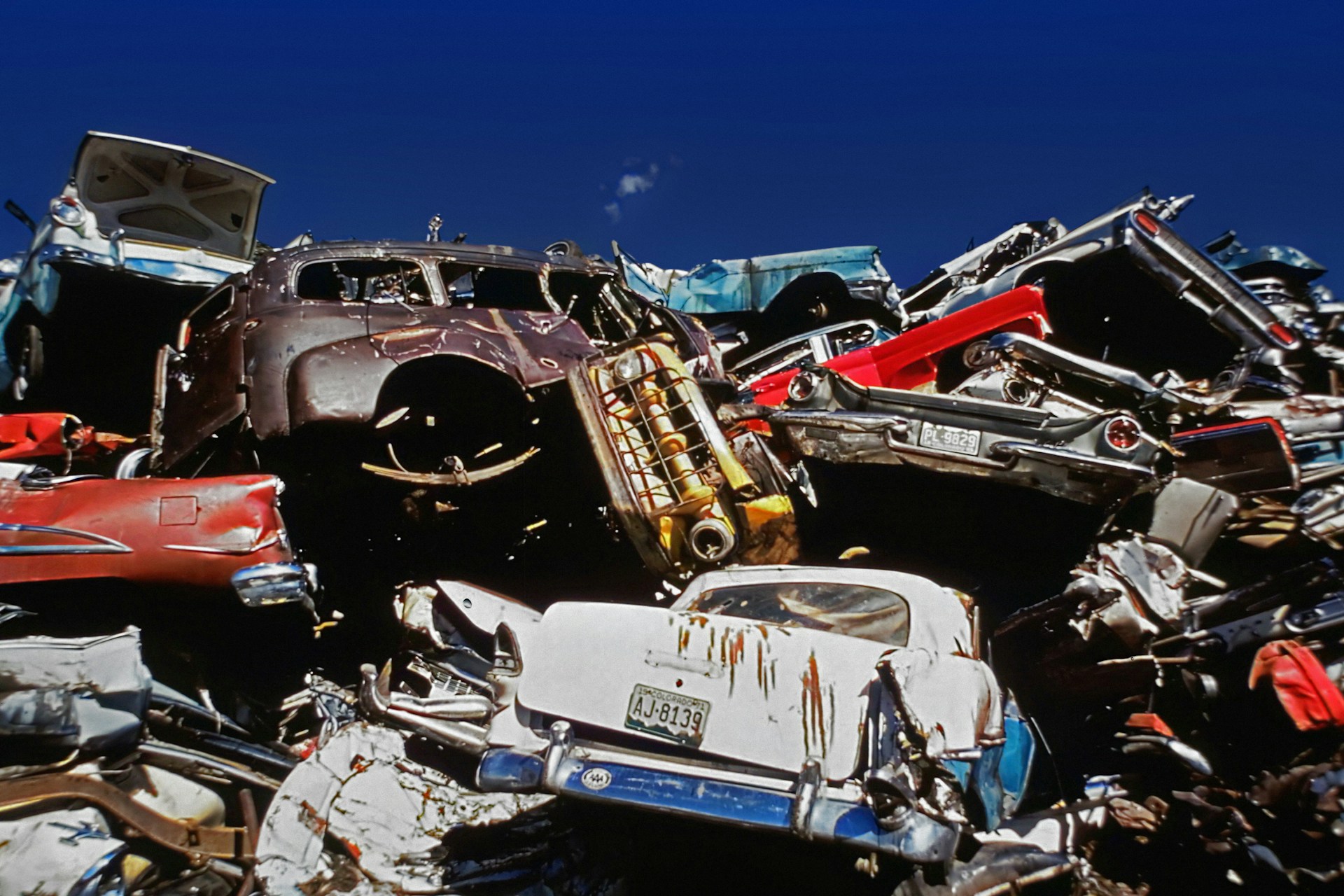
Once all usable parts and fluids have been removed, what remains is the shell — body panels, chassis, remaining metal structure. This is then crushed and compacted before being sent to an authorised metal shredding facility.
At the shredder, the metal is broken down further and separated into different material types — steel, aluminium, copper and so on. Each material stream goes to the appropriate recycling facility.
A modern car is approximately 75–80% recyclable by weight. The remaining 20–25% — plastics, rubber, glass, foam — goes through an automotive shredder residue (ASR) process where some materials are recovered for energy generation.
Step 5 — Certificate of Destruction and DVLA Notification
Once your vehicle has been fully processed, we issue your Certificate of Destruction (CoD). This is the official document confirming:
- Your vehicle has been legally scrapped at a licensed ATF
- It has been processed in compliance with the End of Life Vehicles (ELV) Regulations
- The DVLA has been notified and your name removed from the vehicle record
Keep your CoD safe — it's your permanent proof that the vehicle was legally disposed of. If you ever receive correspondence about that vehicle in future, this document protects you.
Want to know what documents you need? Read our guide on notifying the DVLA when you scrap your car.
Why Does All This Matter?
The difference between a licensed ATF and an unlicensed operation isn't just legal — it's environmental. When a car is scrapped illegally:
- Toxic fluids contaminate soil and groundwater
- You don't receive a Certificate of Destruction
- You remain the registered keeper in DVLA records
- Materials that could be recycled end up in landfill
When you scrap with Amber Autos LTD, you can be confident the process is done properly — legally, safely and as sustainably as possible.
See it in action — read how we did a full body-off engine removal on a Range Rover Sport L320 2.7 TDV6 at our Southend-on-Sea yard.
For a detailed look at the legal and compliance process, read our guide on how a licensed ATF tracks vehicles and manages waste.
Need to scrap your car in Southend-on-Sea?
Get a free instant quote from Amber Autos LTD — free collection, bank transfer on collection, DVLA paperwork handled.
Get a Free Quote Call Now